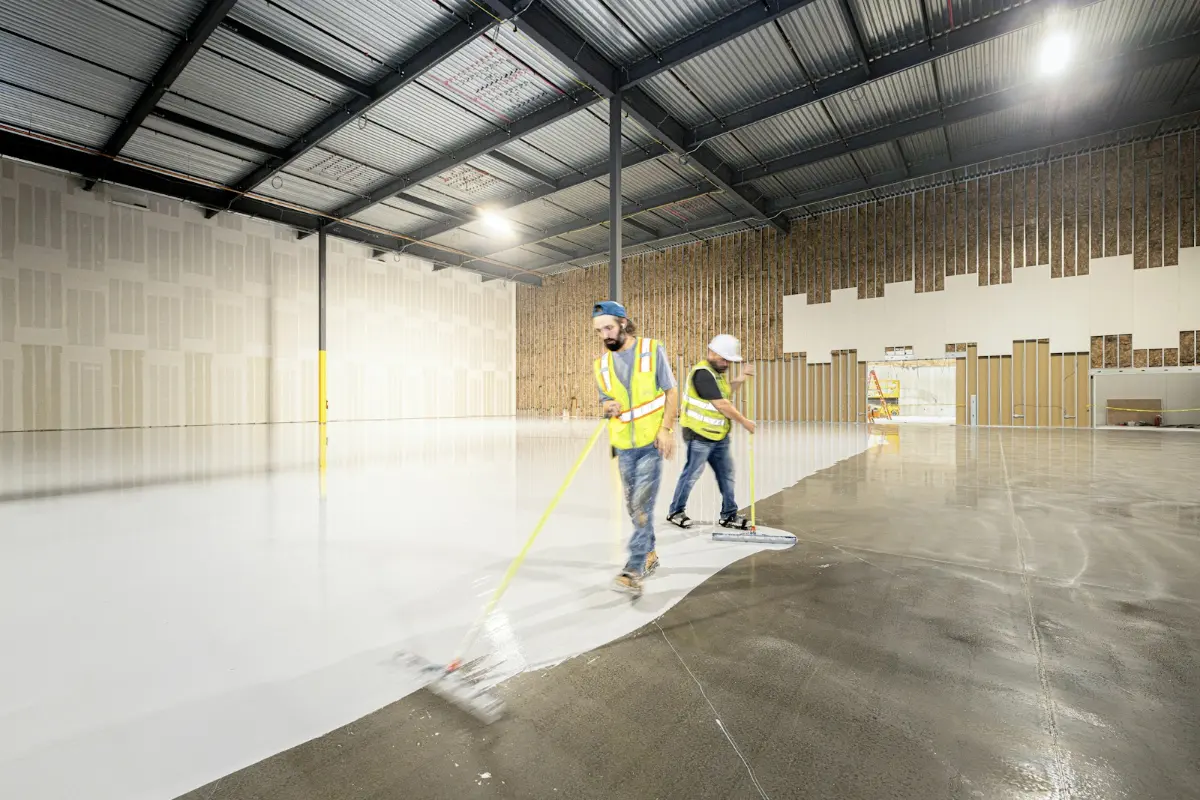
Walk into a Northern Indiana warehouse the second week of November and you can feel the difference.
The aisles are tighter because overflow pallets went wherever there was room. There is an extra shift on the schedule. Three temps started Monday. The dock doors have been open since 6 a.m. and it is 34 degrees outside.
And the cleaning plan is the same one you wrote in June.
That is usually when something happens. A slip in front of the dock. A shelving label nobody can read through the dust. A customer tour that goes past a breakroom you would rather they had not seen.
If your building is working twice as hard for the next ten weeks, why would it need the same amount of cleaning?
It does not. Peak season changes the volume, the traffic pattern and the weather coming through your doors all at once, and a warehouse cleaning plan built for a normal month will quietly fall behind.
Here are six things to get right before the busiest part of your year, and how to tell which ones your facility is already behind on.
1. Dust Is a Safety Problem Before It Is a Cleaning Problem
In an office, dust is cosmetic. In a warehouse, it is operational.
Dust settles on the places you need to be able to read and see. Rack labels. Aisle signage. Emergency lighting. Sprinkler heads. The lenses on your photo eyes and scanners. Fire extinguisher tags. The beam of a forklift’s work light.
Then it builds on surfaces nobody looks at. The tops of racking, conduit runs, light fixtures, exposed joists, dock levelers.
Where high dust causes real trouble:
- Light output drops as fixtures load up, so the aisles get dimmer by degrees and nobody notices.
- Dust on sprinkler heads and smoke detectors is a finding your fire inspector can write up.
- In any facility that handles paper, wood, flour, grain or powder coating, accumulated combustible dust is a hazard on its own, and the housekeeping standard is part of your compliance picture, not an extra.
High dusting is the task most often skipped in a busy warehouse, because it needs a lift and a window of time. Schedule it before peak. Once the aisles fill up, the lift cannot get where it needs to go.
2. Your Floors Take the Worst of It in November and December
Warehouse floors get hit from two directions at once this time of year.
More traffic. More pallet jacks, more forklifts, more people who are new and still learning the building.
And more contamination from outside. Salt, sand, slush and road grime ride in on tires and boots and get ground across the floor all day.
That combination makes the floor slippery where wet and dust mix, scours the finish off sealed concrete faster than any other time of year, and leaves a dull grey film that makes the whole building look neglected.
What matters most for peak season floors:
- Entry matting that is long enough to actually work. Three steps of matting stops a fraction of what comes in. Fifteen to twenty feet of walk off matting at every pedestrian door stops most of it.
- Autoscrubbing on a frequency that matches traffic, not a frequency set in summer.
- Attention to the transition zones, where the dock meets the aisle and where the warehouse meets the office. That is where the slip risk concentrates.
Salt is the part that costs you money after the season ends. We covered that in detail in our post on winter floor care and stopping salt damage before it starts, and it applies to a warehouse slab even more than an office lobby. If the finish on your sealed concrete is already thin, talk to someone about commercial hard floor care before January, not after.
3. The Dock Doors Are Bringing the Weather Inside
Every open dock door is a hole in your building.
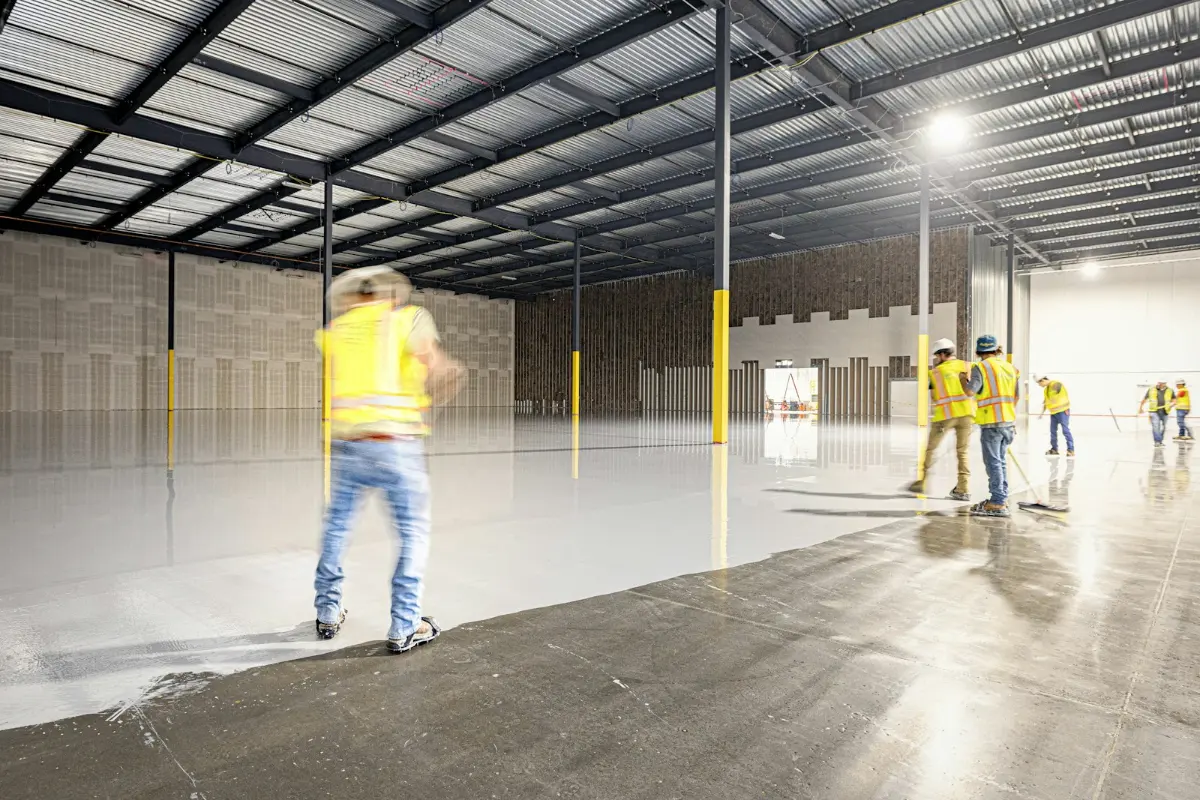
Through it comes cold air, exhaust, road dust, leaves, rain and snow. The first forty feet inside a busy dock door is the dirtiest real estate in the facility, and it is where your trailers get loaded.
The dock area needs its own cleaning attention during peak, separate from the rest of the floor:
- Sweep or scrub the dock approach more often than the general warehouse floor, because that is where most of the contamination lands.
- Clean out the dock pits and the leveler wells. They collect standing water, salt and debris, and they are easy to forget because you cannot see inside them.
- Wipe down the dock office, control panels and handsets, which every driver touches.
If your facility runs year round and the dock is always busy, this is normally handled through recurring janitorial service with a scope written for industrial space rather than office space. The two are not interchangeable.
4. Restrooms and Breakrooms Are Carrying Double the Load
Here is the arithmetic that catches facilities out.
You added a shift and brought in temps. Your headcount went up by half. Your restroom count did not change, and neither did your cleaning frequency.
So a restroom that held up fine in September now serves far more people on the same one visit per night. By mid afternoon it is out of paper, the floor is wet and the odor is back.
That is not a quality problem. That is a capacity problem, and it needs a different answer:
- Add a midday restroom and breakroom check during the peak weeks, even if it is only a short visit.
- Put the breakroom on the daily scope, including the microwave, the refrigerator exterior, the tables and the trash. A breakroom with more people and the same cleaning goes downhill fast.
- Pay attention to touch points during cold and flu season. Door handles, time clocks, shared scanners, vending buttons, handrails.
Our post on how often your building should be cleaned breaks down how headcount drives frequency, and the same logic applies on a warehouse floor.
5. The Office Side Is Where Your Customers Form Their Opinion
Your warehouse can be spotless and still lose you a contract in the front office.
Peak season is also when buyers, auditors and prospective customers come through, and they do not evaluate the racking. They look at the lobby, the conference room, the restroom they were pointed to, and the window they sat next to.
It is easy to let the office slide when operations is consuming everything. Protect:
- The lobby floor and glass, which take the same salt and grime as the warehouse but show it far more.
- The conference room, including the table, the chairs and the floor underneath it.
- The restroom nearest the lobby, which should be the best one in the building.
If your building has both, the office and the plant need separate scopes under one plan. That is what professional office cleaning alongside industrial cleaning is for, and it is worth having one provider coordinating both rather than two crews working around each other.
6. Nobody Can Shut Down, So the Plan Has to Work Around Production
The last one is logistics, and it is the one that decides whether anything above actually happens.
In peak season you cannot stop a line for a floor scrub or close an aisle for high dusting. So the plan has to be built around when your building is actually available.
Questions that shape the schedule:
- What is your true quiet window, including weekends and shift gaps?
- What has to be finished before the season starts, because there will be no window once it does?
The takeaway is simple. Do the lift work and the deep floor work in the two weeks before peak, protect the recurring safety tasks during it, and save restoration for January. Our post on recurring janitorial inspections covers how a documented walkthrough keeps that from drifting.
So, What Should Your Warehouse Cleaning Plan Look Like in Peak Season?
Think of it in three tiers and handle them in order.
Before peak starts, do the work you will not be able to do later. High dusting of racking, lighting, sprinkler heads and conduit. A full autoscrub of the slab. Dock pits cleaned out. Entry matting replaced or extended. This is the tier people skip, and it is the one with the longest payback.
During peak, raise frequency on the things tied to safety and headcount. Floors in the dock and transition zones. Restrooms and breakrooms at a frequency that matches your actual population. Touch point cleaning. Trash and shrink wrap control. Nothing exotic, just more often where it counts.
After peak, repair what the season cost you. Salt and grit will have taken the finish off sealed concrete and the office floors. January and February are the right time for floor restoration, carpet extraction and anything that needs the building quiet.
The facilities that get through peak without an incident are rarely the ones that cleaned hardest in December. They are the ones that did the right work in October.
Questions to Ask Before Peak Season Starts
Walk your building with these in hand, or bring them to your cleaning provider on your next call.
- When were the racking, lighting and sprinkler heads last high dusted?
- How much walk off matting do we have at each pedestrian entrance, and is it long enough?
- Our headcount is going up by how much, and is our restroom and breakroom frequency going up with it?
- What is our quiet window, and does our provider’s schedule actually use it?
- What needs to be finished before the first week of peak, and what can wait until January?
Getting Your Facility Ready Before the Busy Weeks Hit
Club Clean handles warehouse, industrial and office cleaning across Northern Indiana and Chicagoland, including Michigan City, La Porte, Valparaiso, Chesterton, Portage, Merrillville, Crown Point, South Bend and Mishawaka.
We will walk the building with you, tell you what needs to happen before peak and what can wait, and build a scope around your real production windows instead of a template. If your facility has both a plant floor and a front office, we cover both under one plan.
Our guide on how to prepare for a commercial cleaning walkthrough tells you what to have ready so the visit is worth your time.
Request a free commercial cleaning quote from Club Clean today.